
This post contains affiliate links. As an Amazon Associate I earn from qualifying purchases, at no extra cost to you. See our Affiliate Disclosure.
If you’ve checked a clothing label lately, you may have noticed more brands touting “organic cotton” as a big feature. The switch toward natural fibres and Eco friendlier materials is hard to ignore, and organic cotton is quickly popping up everywhere from high street retailers to boutique labels. I’ve dug in to see what’s actually behind this move and how organic cotton is shaking up the fashion industry in ways that go beyond just feeling good about your purchase.
What Makes Organic Cotton Different?
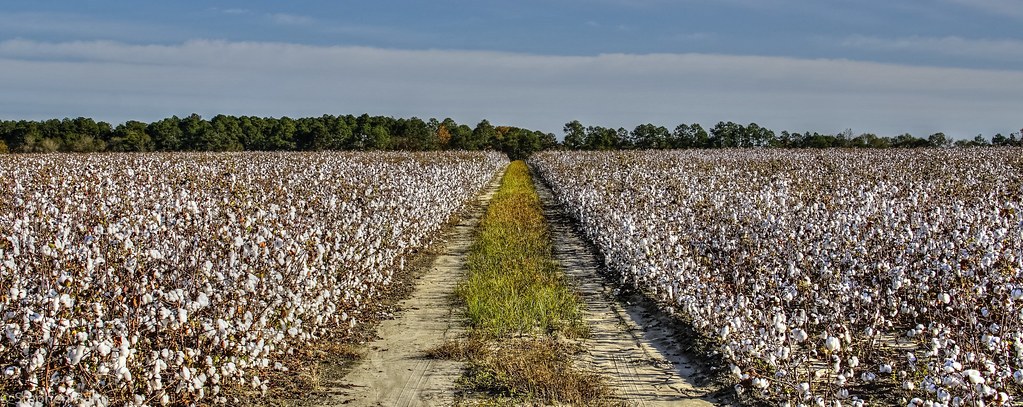
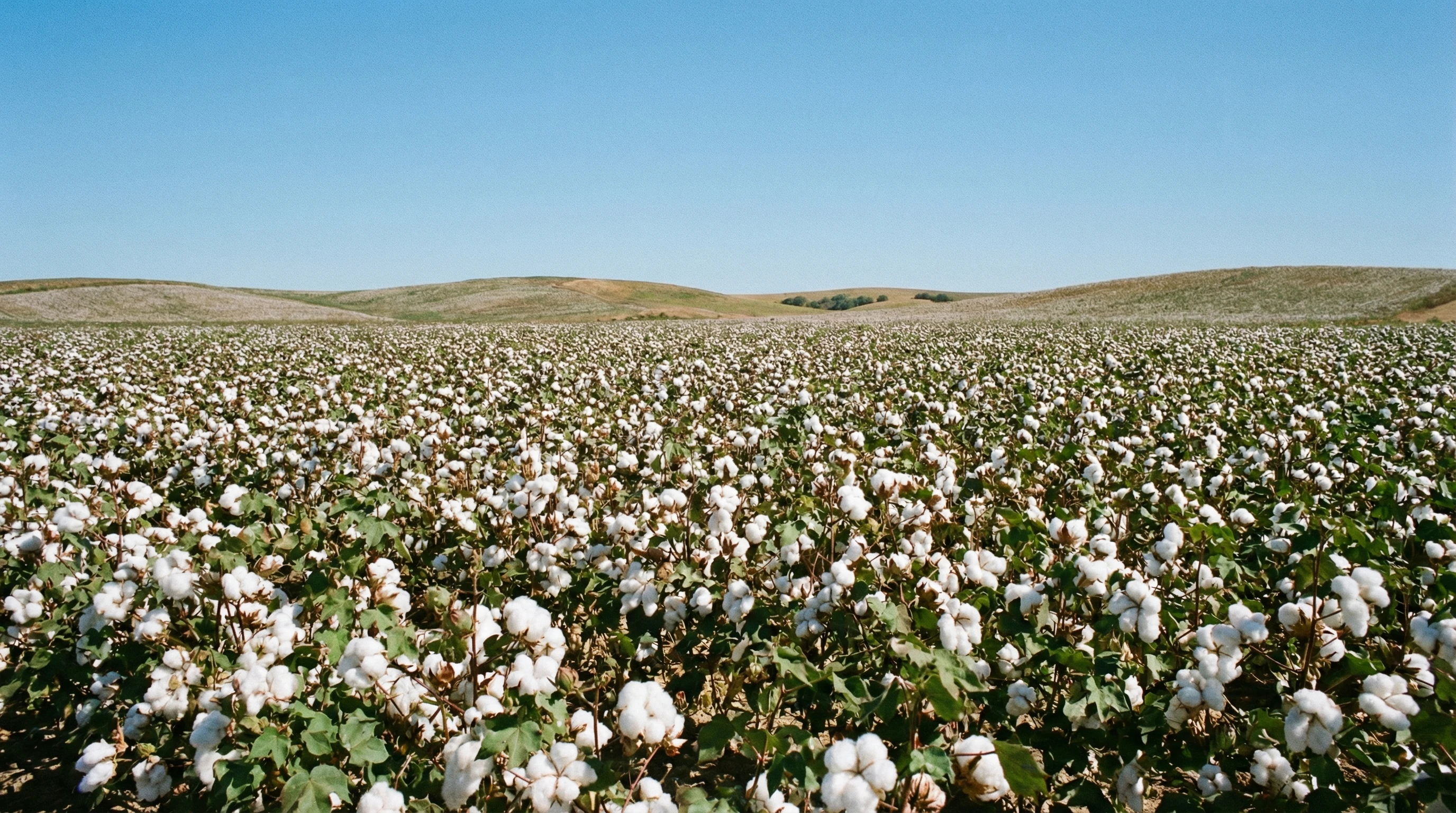
Organic cotton goes back to basics. Think farming methods that skip out on synthetic fertilizers, toxic pesticides, and genetically modified seeds. Instead, farmers rely on natural processes, crop rotation, compost, and beneficial insects to grow the cotton plants. This approach is a push to be gentler on the planet and deliver a fibre that’s softer on your skin too.
Switching to organic isn’t just hype. According to the Textile Exchange, organic cotton only makes up about 1% of global cotton, but its presence is growing as brands react to consumer demand for more planet friendly options. The Global Organic Textile Standard (GOTS) helps maintain credibility by setting standards around the growing, processing, and labelling of organic fibers, so buyers aren’t just taking a brand’s word for it.
The key things that make organic cotton a pretty big deal:
- No toxic chemicals: This helps protect soil health and local waterways. It also creates safer conditions for farmers working in the fields.
- Better biodiversity: Farms growing organic cotton often have a healthier variety of plants and animals, creating a natural buffer against pests and disease.
- Lower water use: Some studies show organic cotton uses less water, especially where it’s rain-fed and not irrigated.
Why the Fashion Industry Is Embracing Organic Cotton
The fashion world is notorious for its environmental costs. Think water pollution, massive energy use, and endless waste. Conventional cotton farming plays a part in this, using a high volume of pesticides and water. Organic cotton steps in as a way to help curb those negative impacts and line up with growing calls for transparency and accountability.
I’m seeing more brands switch to organic cotton to appeal to consumers looking for clean and honest products. It’s not just indie brands now; everyone from Levi’s to H&M has started weaving organic cotton into their collections. Some reasons why this change is happening now:
- Greater consumer awareness: People want to know what’s in their clothes and how it impacts the world.
- Pressure from sustainability movements: Campaigns like Fashion Revolution have given a bigger voice to calls for more ethical sourcing and better treatment of workers.
- Corporate responsibility goals: Brands have started issuing sustainability pledges and tracking their progress, so switching to organic cotton is a visible win.
Organic Cotton’s Environmental Benefits
Organic cotton isn’t a silver bullet, but it does cut down on many of the negatives tied to mainstream cotton. Here’s where I see the most immediate impact:
- Clean Water: Without synthetic pesticides and fertilizers, fewer chemicals run off fields and pollute nearby rivers or groundwater. This is super important in regions where cotton is grown near communities relying on natural water sources.
- Reduced Carbon Footprint: Organic farming relies on crop rotations, compost, and cover cropping to nurture the soil instead of using heavy fossil-fuel derived fertilizers. Some life cycle analyses show that, when managed well, organic cotton’s carbon footprint is lower overall.
- Better Soil Health: Methods like crop rotation, green manure, and inter-cropping mean fields retain nutrients and structure, making soils resilient to drought and erosion.
Along with these, organic cotton farming often encourages the presence of beneficial insects and animals, contributing to a healthier local ecosystem. It doesn’t just cut back on chemicals; it helps maintain a natural balance that benefits not only the immediate environment, but neighbouring communities as well.
How Organic Cotton Changes Lives for Farmers
Fashion’s focus on organic cotton is also about fairness for people at the source. In conventional farming, workers are often exposed to harmful chemicals, face debt traps from costly seeds and pesticides, and work in tough, uncertain conditions. Organic processes can give a boost to farmer health and sometimes improve their financial standing.
Organic farmers may need more training and upfront resources, but groups like the Better Cotton Initiative and various fair-trade movements are stepping in to provide support. Here are a few real perks:
- Healthier work environment: Less exposure to toxic chemicals means fewer health risks for workers and their families.
- Safer communities: Organic cooperatives tend to invest in education and community programs, building up the local economy.
- Potential for better prices: Certified organic cotton can sometimes earn a premium price, though this depends on global markets and demand.
In some places, farmers who transition to organic receive hands-on training in sustainable practices, helping them develop skills that can be passed through generations. This not only leads to better land stewardship but builds a sense of ownership and pride in more sustainable farming communities.
Is Organic Cotton Really Better? Some Honest Trade Offs
It’s easy to root for organic cotton, but there are trade-offs to talk about. For one, yields tend to be lower compared to conventional cotton, so more land might be needed to grow the same amount. Getting certified organic requires careful recordkeeping and fees, which can be tough for smaller operations. There’s also a learning curve for farmers moving away from chemical inputs.
Cost can be a sticking point for consumers too. Organic cotton products can cost more at the register because of extra steps and audits in the supply chain. Still, as the market grows and production scales up, prices have started to mellow out. Brands are also working to make organic collections more affordable by mixing organic cotton with recycled or other responsible fibers, making products more accessible while spreading the positive impact.
How Clothing Brands Are Using Organic Cotton
I’ve been paying attention to how brands are integrating organic cotton, and it’s not just about slapping a green label on a Tshirt. Here are some ways brands are putting it to work:
- Merging organic fibers with recycled materials to make hybrid fabrics that cut waste.
- Focusing entire product lines, like basics or bedding, on organic cotton for easier sourcing and storytelling.
- Being clear about sourcing and production by including traceable certifications like GOTS, which buyers can look up for proof.
Many brands also use organic cotton as a launchpad for bigger responsible fashion initiatives, such as cutting out singleuse plastics or moving toward fair-wage factories. Organic cotton sometimes serves as a first step before brands tackle other parts of their environmental footprint.
Organic Cotton Vs. Other Sustainable Fibers
Organic cotton is a strong start for eco friendlier fashion, but it has competition. There are newer plant based fabrics like hemp, TENCEL™, bamboo, and recycled fibers that can have equal or even better environmental records depending on how they’re sourced. Each fiber has its own perks and quirks:
- Hemp: Requires less water and pesticides and is super durable. Producing it still requires certain chemicals for processing.
- TENCEL™ (Lyocell): Made from sustainably harvested wood, the closed loop process means fewer chemical emissions.
- Bamboo: Grows fast with little water, but some forms use harsh chemicals to dissolve it into fabric.
- Recycled Polyester and Cotton: Diverts waste from landfills, but some recycled fibers can shed microplastics.
I like organic cotton because it fits right into existing cotton supply chains and offers a familiar feel for people used to conventional clothing, but it’s good to weigh all options when building a sustainable wardrobe. A combination of organic cotton, recycled fibers, and newer alternatives can help you build a well-rounded, responsible closet.
What to Look for When Buying Organic Cotton Clothing
Labeled claims can get blurry. “Natural” and “ecofriendly” are tossed around pretty loosely. These tips help make sure you’re picking up the real deal:
- Look for certifications: GOTS and OEKO-TEX Standard 100 are two widely respected labels for organic cotton.
- Check how much of the product is organic: Some labels only use a small percentage of organic cotton. GOTS certifications will list if it’s 70% or 95% plus.
- Go for brands with transparent supply chains: Many ethical brands now share their sourcing maps and supply chain adventures online.
- Shop secondhand or swapping: Keeping fibers in play as long as possible is always a win for the planet.
Also, reading product descriptions and checking for honest disclosures helps cut through green-washing. Some companies even offer reports on the specific farms or cooperatives they work with, giving buyers confidence in their shopping choices.
Frequently Asked Questions
What’s the difference between organic and conventional cotton?
Organic cotton skips most synthetic pesticides and fertilizers and is non GMO. Conventional cotton generally relies on chemical treatments, which affect soil, waterways, and sometimes worker health.
Is organic cotton softer than regular cotton?
While the softness mainly comes down to fiber length and the way it’s processed, many people notice organic cotton feels softer, especially after a few washes, thanks to gentler processing methods.
Why is organic cotton more expensive?
The increased cost comes from smaller yields, more labour intense farming, and costs for organic certification. As demand and supply increase, the price gap is slowly closing.
Does buying organic cotton really help the environment?
Organic farming has a lighter touch on the land and can reduce pesticide use and water pollution. Still, the benefits depend on how well farms are managed, local climates, and broader supply chain practices.
Organic Cotton Basics to Look For
When shopping, check the label for organic certification such as GOTS. A couple of affordable places to start:
- Organic cotton T-shirts for everyday basics.
- Organic cotton duvet cover sets, which you use every night, so it’s a great place to switch.
Final Thoughts
I find that organic cotton is a practical and positive change in the fashion industry’s landscape. From helping protect the planet and farmers to giving brands a clear way to show they’re making progress, organic cotton has cut out a solid niche. It isn’t the only answer to fashion’s sustainability challenges, but if you’re shopping for clothes that are a little easier on the earth, reaching for that certified tag is a pretty reliable choice. Next time you add to your wardrobe, picking organic cotton could be a simple way to support cleaner, smarter fashion decisions.