
This post contains affiliate links. As an Amazon Associate I earn from qualifying purchases, at no extra cost to you. See our Affiliate Disclosure.
Pick up almost any affordable piece of clothing on the high street and check the label. There’s a good chance it says “polyester”. Look a little closer at the “conscious” or “eco” ranges and you’ll often see something different: recycled polyester.
It’s become one of the most common ways brands make cheaper clothing sound greener. But is recycled polyester genuinely better for the planet, or is it just clever marketing? In this guide I’ll explain what it is, why it’s taking off, where it falls short, and how to shop for it sensibly on a budget.
What Is Recycled Polyester?
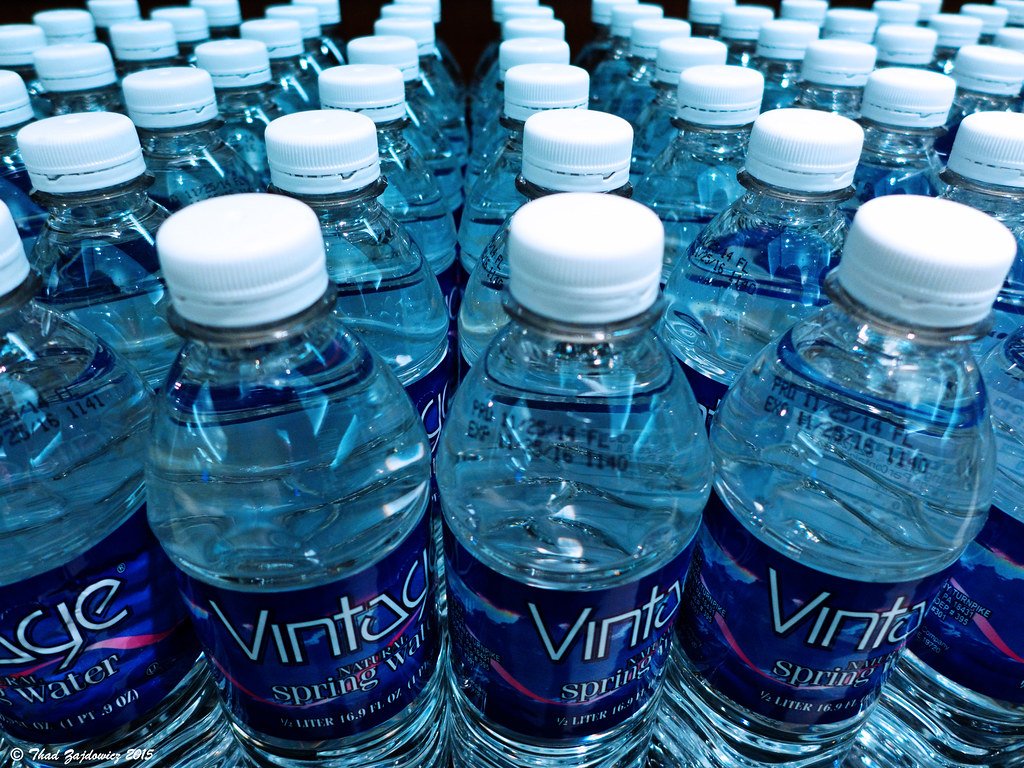
Ordinary polyester is a plastic. It’s made from oil, the same basic material used for plastic drinks bottles (a plastic called PET). Recycled polyester, often shortened to rPET, is made by taking existing plastic, usually used bottles, cleaning it, breaking it down and turning it back into fibre that can be spun into fabric.
There are two main ways this is done:
- Mechanical recycling: plastic is shredded, melted and spun into new fibre. It’s the cheapest and most common method, but the quality drops a little each time.
- Chemical recycling: plastic is broken down into its basic building blocks and rebuilt. This can produce fibre as good as new, and can handle old clothes, but it’s more expensive and still small-scale.
Why Polyester Matters So Much
It’s hard to overstate how much polyester the world uses. According to Textile Exchange’s 2026 Materials Market Report, global fibre production hit a record 139 million tonnes in 2025, and polyester made up around 59% of it. Most of that polyester, about 88%, was brand-new, fossil-fuel-based plastic.
Polyester is popular for good reasons: it’s cheap, durable, quick-drying, holds its shape and resists creasing. That’s exactly why it’s everywhere in affordable fashion, from sportswear and fleeces to dresses and coats. If even a slice of that could come from recycled material instead of fresh oil, the impact would be significant.
The Benefits of Recycled Polyester
1. Less demand for new oil
Every tonne of recycled polyester is a tonne that didn’t need to be made from fresh fossil fuels. That’s a real saving at the start of the supply chain.
2. Lower energy and emissions
Making fibre from existing plastic generally takes less energy than producing virgin polyester from scratch, which usually means a smaller carbon footprint for the raw material.
3. Same performance, similar price
For shoppers, recycled polyester looks, feels and performs much like the regular kind. It’s also increasingly available at high-street prices, which makes it one of the easiest “better” swaps for people on a budget.
4. It keeps some plastic out of landfill
Giving used plastic a second life is better than burying or burning it, at least for one more round.
The Downsides Nobody Puts on the Label
Recycled polyester is a step in the right direction, but it isn’t the whole answer. Here’s what’s worth knowing.
It’s still a small share
Despite all the marketing, Textile Exchange found that recycled polyester was only about 12% of all polyester produced in 2025, unchanged from the year before. The vast majority of polyester is still brand new.
It mostly comes from bottles, not clothes
This is the big one. The same report found that around 97% of recycled polyester comes from plastic bottles. Recycling old clothes back into new clothes (“textile-to-textile” recycling) is still around 1% of fibre production. So when you buy a recycled polyester top, it’s usually not solving fashion’s own waste problem. It’s taking bottles that could have been recycled into new bottles and turning them into clothing, which is much harder to recycle again.
It still sheds microplastics
Like any synthetic fabric, recycled polyester releases tiny plastic fibres when it’s washed. These microfibres end up in waterways and the ocean. Recycling the plastic doesn’t change that.
It can’t be recycled forever
Most recycled polyester is mechanically recycled, so the fibre weakens over time. Many garments also blend polyester with cotton or elastane, which makes them very difficult to recycle at all.
Is Recycled Polyester Worth Buying?
My honest answer: yes, if you were going to buy polyester anyway. If you need a raincoat, gym kit or a fleece, where polyester’s performance genuinely helps, choosing the recycled version is a sensible, affordable upgrade.
But a “recycled” label shouldn’t be a reason to buy more. The most sustainable piece of clothing is still one you’ll wear for years. A cheap recycled polyester top worn twice is not a green choice.
How to Shop for Recycled Polyester Wisely
- Check the percentage. “Made with recycled polyester” can mean 100% or just 20%. Look for the actual figure on the label.
- Look for certification. Labels such as the Global Recycled Standard (GRS) or Recycled Claim Standard (RCS) mean the recycled content has been independently verified.
- Prefer single-fibre garments. 100% polyester is easier to recycle later than a polyester-cotton-elastane blend.
- Choose it where it makes sense. Outerwear, activewear and bags are good uses. For everyday T-shirts and basics, natural fibres like organic cotton, linen or hemp are often a better fit.
- Buy for the long term. Go for quality you’ll actually wear, and consider second-hand first.
How to Reduce Microplastics at Home
- Wash synthetic clothes less often and on full loads, which reduces friction.
- Use cooler, shorter washes.
- Try a microfibre-catching wash bag or a washing machine filter.
- Air-dry instead of tumble drying where you can.
Products That Help
If you do buy polyester, this can reduce its impact:
- The Guppyfriend washing bag catches shed microfibres in the wash so fewer reach waterways.
- For outerwear, look for jackets labelled with recycled content and GRS certification.
The Bottom Line
Recycled polyester is a genuine improvement on virgin polyester and an easy, affordable swap for many shoppers. But it’s not a magic fix. It mostly recycles bottles rather than clothes, it still sheds microplastics, and it only makes up a small slice of the market.
The smartest approach is simple: buy less, choose well, and when you do need polyester, make it recycled and certified.
Have you noticed more recycled polyester in the shops lately? Let me know in the comments below. I’d love to hear what you’ve found.
Recycling Methods and Wash Bags: The Trade-OffsNot all recycled polyester is equal. Mechanical recycling (shredding and re-melting) is cheaper and more common, but the fibre quality can drop each time. Chemical recycling can produce higher-quality fibre, but it is more energy-intensive and still small in scale. Neither route makes polyester biodegradable, so recycled polyester is not automatically the most sustainable choice in every situation. For many everyday basics, a natural fibre may still be the better pick.
A word on wash bags such as the Guppyfriend: they can help catch some of the fibres that shed in the wash, but they do not stop shedding altogether, and the bag itself needs to be emptied of fibres and disposed of properly. Think of it as one helpful step alongside washing less often, using cooler cycles and buying fewer, better-made pieces.
>