
This post contains affiliate links. As an Amazon Associate I earn from qualifying purchases, at no extra cost to you. See our Affiliate Disclosure.
Hemp is one of the oldest fabrics in the world, and it is making a big comeback. If you care about the planet but still want clothes that last, hemp deserves a place on your radar. In this guide I will explain what hemp fabric is, why it is so good for the environment, its downsides, and how to choose and care for it.
What Is Hemp Fabric?
Hemp fabric is made from the fibres in the stalk of the hemp plant. The stalks are harvested, softened, and the long fibres are separated, spun into yarn and woven into cloth. Industrial hemp is a different variety from the plant grown as a drug, and it has no psychoactive effect, so you can wear it without any worries.
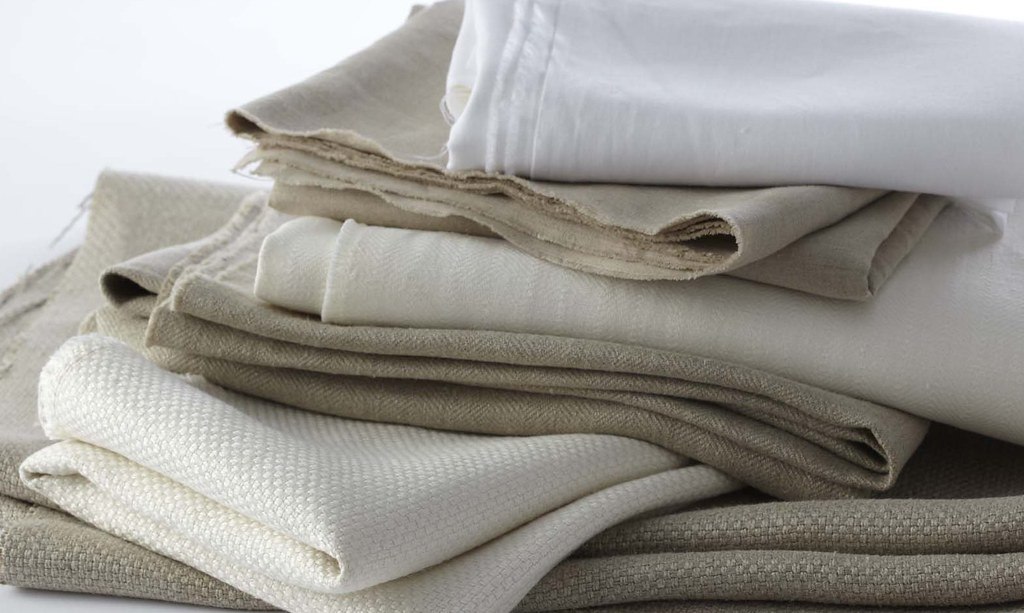
Hemp feels similar to linen. It can be a little stiff at first, but it softens beautifully with every wash.
The Environmental Benefits of Hemp
- Grows fast with little water. Hemp grows quickly and usually needs far less irrigation than conventional cotton.
- Needs few pesticides. It grows densely and naturally crowds out weeds, so farmers rarely need much in the way of chemical sprays.
- Good for the soil. Its deep roots help hold soil together, and the plant returns nutrients when its leaves fall.
- Very little waste. Almost every part of the plant can be used, from the fibres for fabric to the seeds for food and oil.
- Biodegradable. Pure hemp fabric breaks down naturally at the end of its life, unlike synthetic fabrics.
Why Hemp Is Great to Wear
- Extremely durable. Hemp fibres are among the strongest natural fibres, so hemp clothes can last for many years.
- Breathable and cool. It lets air flow and draws moisture away from your skin, which makes it comfortable in warm weather.
- Gets softer over time. Unlike many fabrics that wear out, hemp often feels better the more you wash it.
- Naturally resists odours. Many people find hemp stays fresher for longer between washes.
The Downsides to Know
As always, I want to give you the full picture.
- It wrinkles easily, a bit like linen.
- It can feel rough at first, especially in cheaper or heavier fabrics.
- It can cost more than conventional cotton, because production is still smaller scale.
- Not all hemp is equal. Some fabrics are chemically processed into “hemp viscose”, which loses many of the eco benefits. Look for mechanically processed hemp or simply “100% hemp”.
- Blends are common. Hemp is often mixed with cotton or synthetics, so check the label for the percentage.
How to Choose Good Hemp Clothing
- Check the label for a high hemp percentage.
- Hemp blended with organic cotton is a great soft, sustainable option.
- Look for trusted certifications such as GOTS (Global Organic Textile Standard) where available.
- Start with simple pieces like T-shirts, shirts or trousers, where hemp really shines.
How to Care for Hemp
- Wash on a cool or warm gentle cycle.
- Hang to dry to save energy and reduce creasing.
- Iron while slightly damp if you want a smoother look, or embrace the relaxed, natural creases.
Easy Ways to Try Hemp
Hemp is easiest to start with in small, everyday pieces:
- Hemp T-shirts soften with each wash and are breathable and hard-wearing.
Is Hemp Worth It?
For most people, yes. Hemp is one of the most eco-friendly fabrics you can buy, and its strength means you will replace it less often, which saves money over time. Pair it with other natural fibres like bamboo and organic cotton, and you are well on your way to a more sustainable wardrobe.
Have you tried hemp clothing yet? Share your experience in the comments.